
Rubbing Technology for Creating a Uniform Light Path
Tech Gallery
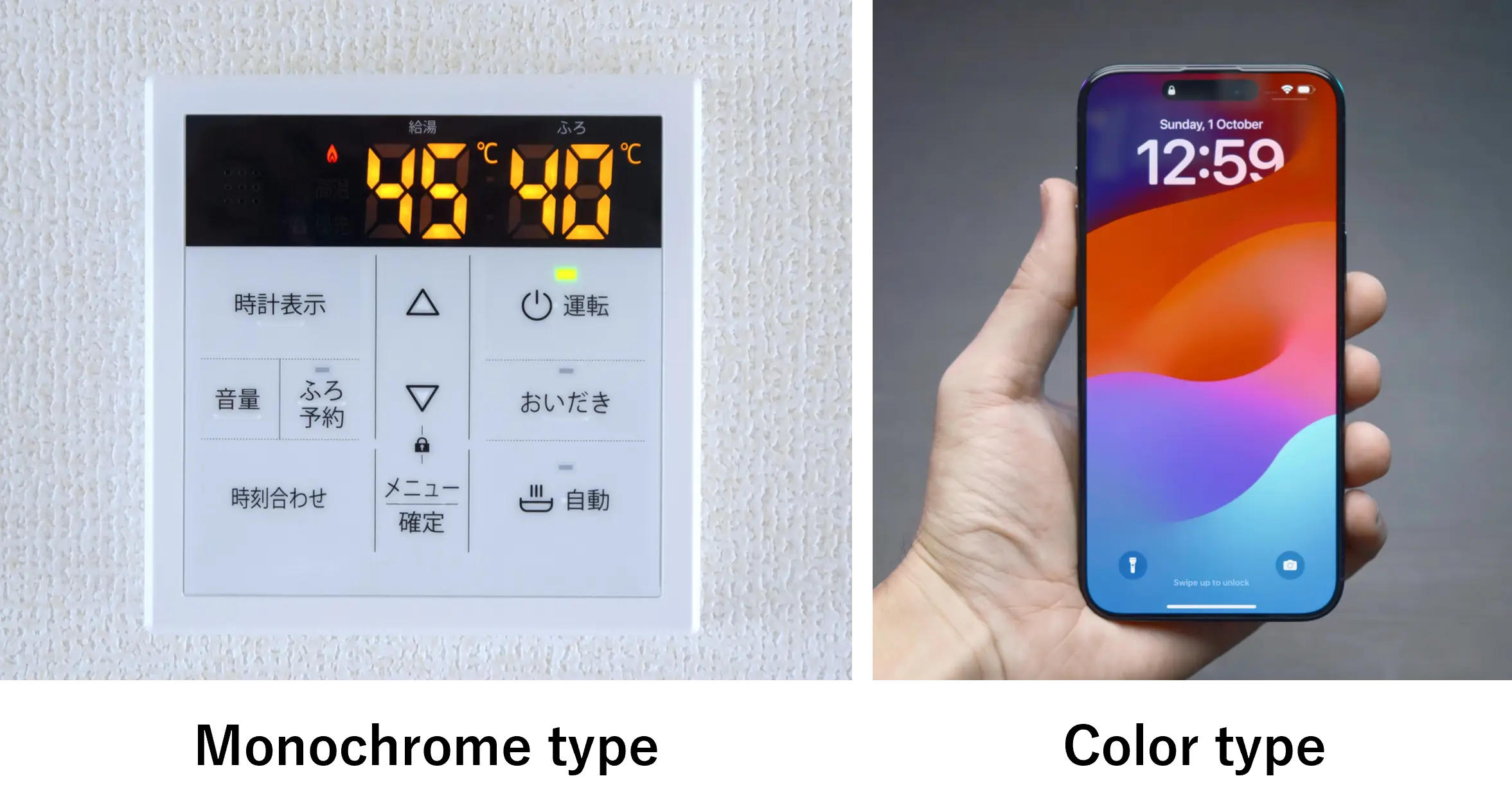
A Key Technology Supporting LCD Display Quality.
Liquid crystal displays (LCDs) are used in a wide variety of products, such as smartphones and home appliances. We manufacture monochrome LCDs used in water heaters and a variety of other devices. These applications require high visibility, with clear, uniformly bright displays that allow users to read numbers and status information accurately. This page explains the basic operating principle of an LCD and rubbing technology, one of the behind-the-scenes techniques that support display quality.
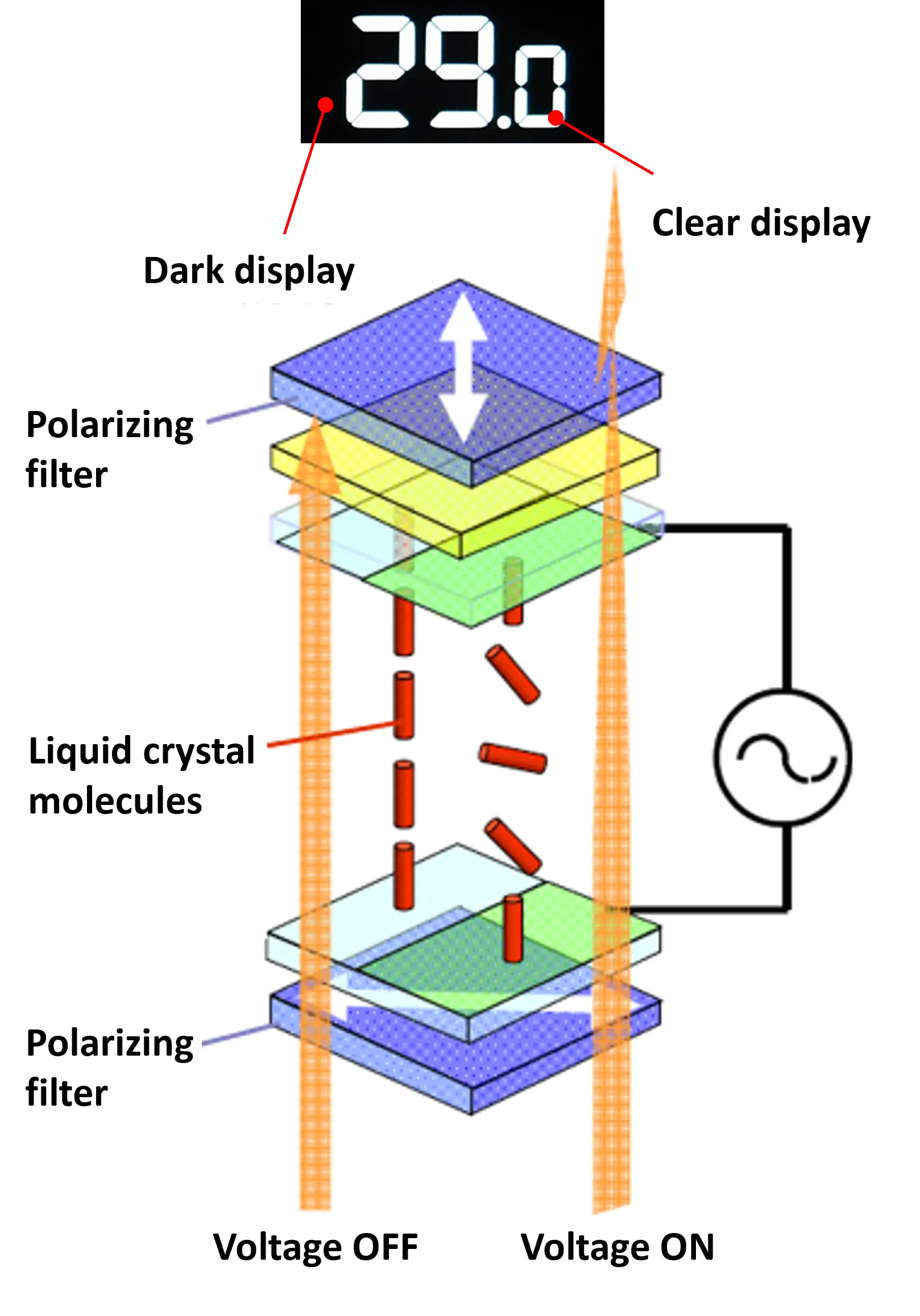
Liquid crystal molecules have the property of changing their orientation in response to voltage, and this change controls how light passes through. The screen is divided into numerous tiny display units. By switching the voltage on or off for each unit, the LCD creates bright and dark areas that form numbers and characters.
■When the Display Is Not Visible (Voltage Off)
When no voltage is applied, the liquid crystal molecules align almost perpendicular to the substrate. The upper and lower polarizers are oriented differently, blocking the light and making the screen appear dark.
■When the Display Is Visible (Voltage On)
When voltage is applied, the orientation of the liquid crystal molecules changes, creating a path for light. As a result, light passes through and the display appears bright.
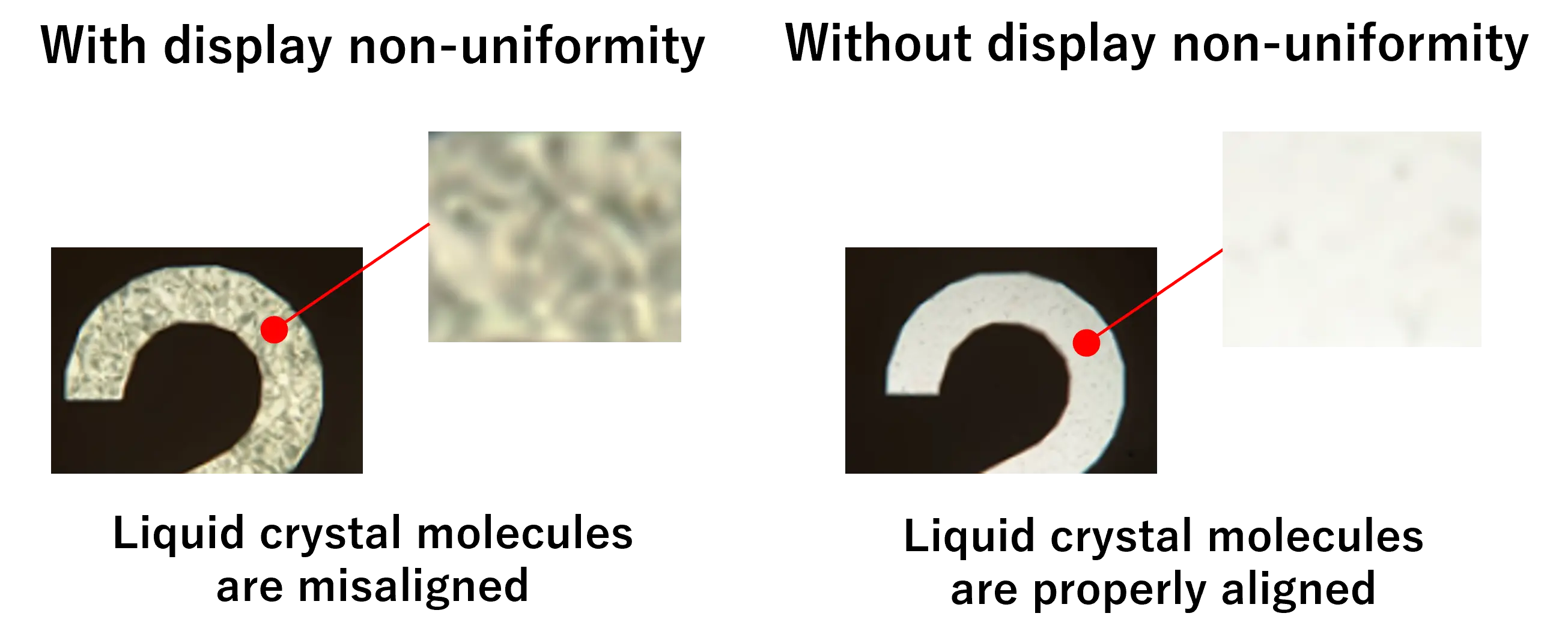
~Display Non-uniformity That Affects Display Quality~
For an LCD to operate correctly, its liquid crystal molecules must be aligned in a consistent direction. Otherwise, light transmission varies across the screen, causing brightness non-uniformity, also known as display non-uniformity. This reduces display quality because some areas may appear brighter or darker than others even when the same voltage is applied.
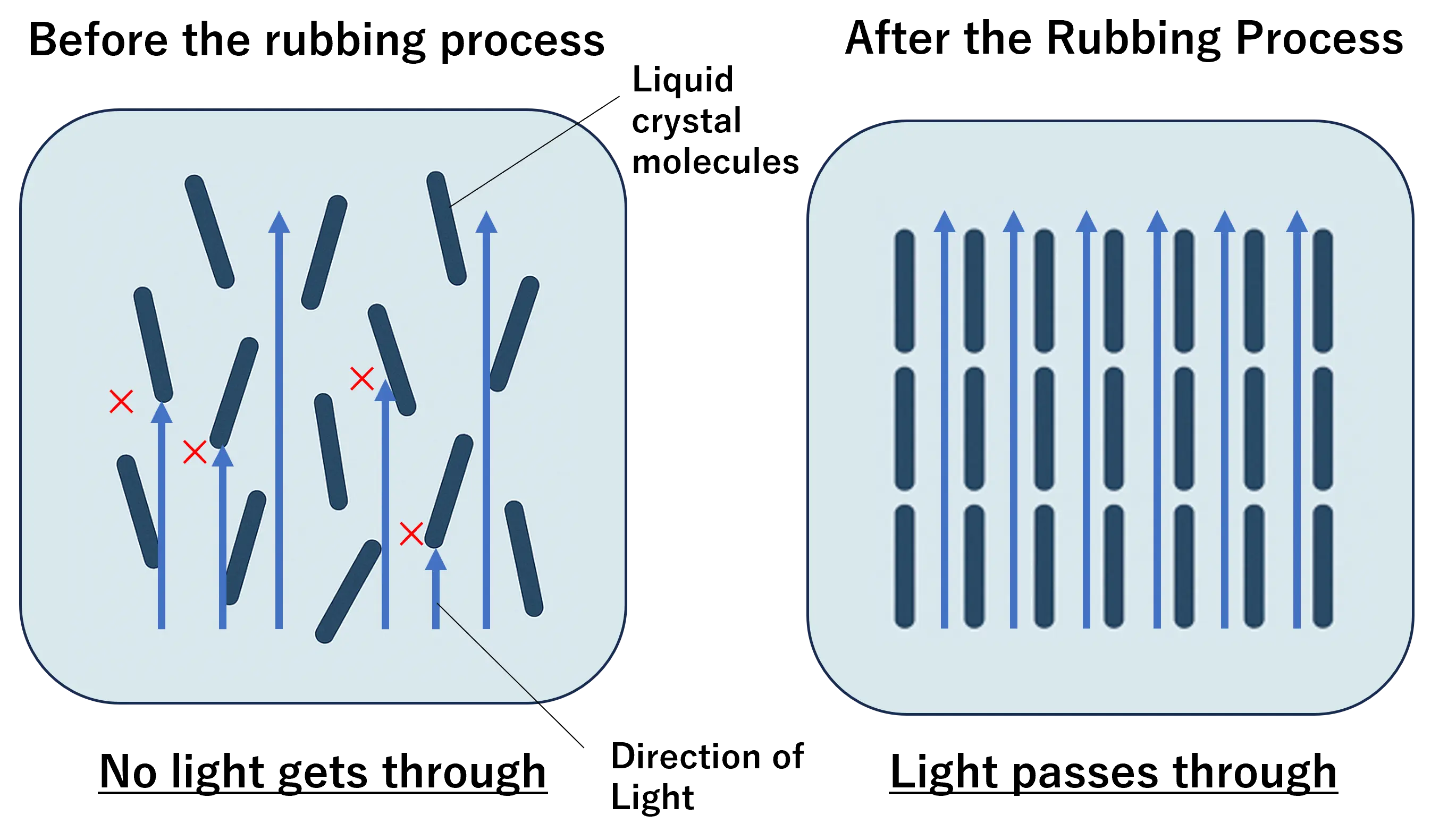
Controlling the alignment of liquid crystal molecules is essential to LCD display quality. The technology used for this purpose is called rubbing process. Rubbing the alignment layer on the substrate with a specialized cloth creates microscopic grooves that are invisible to the naked eye and establish a consistent alignment direction for the liquid crystal molecules. The liquid crystal molecules align along these grooves, enabling uniform light transmission and producing a display with minimal non-uniformity.
1. Selection of Rubbing Cloth
We select the most suitable rubbing cloth for each application by evaluating how its material, thickness, and fiber composition affect the finished surface, thereby achieving stable display quality.
2. Optimization of Processing Conditions
Rubbing is a highly sensitive process in which even slight differences in pressure or speed can significantly affect the finished surface. We carefully optimize these conditions by evaluating their impact on display quality, helping ensure stable alignment of the liquid crystal molecules.
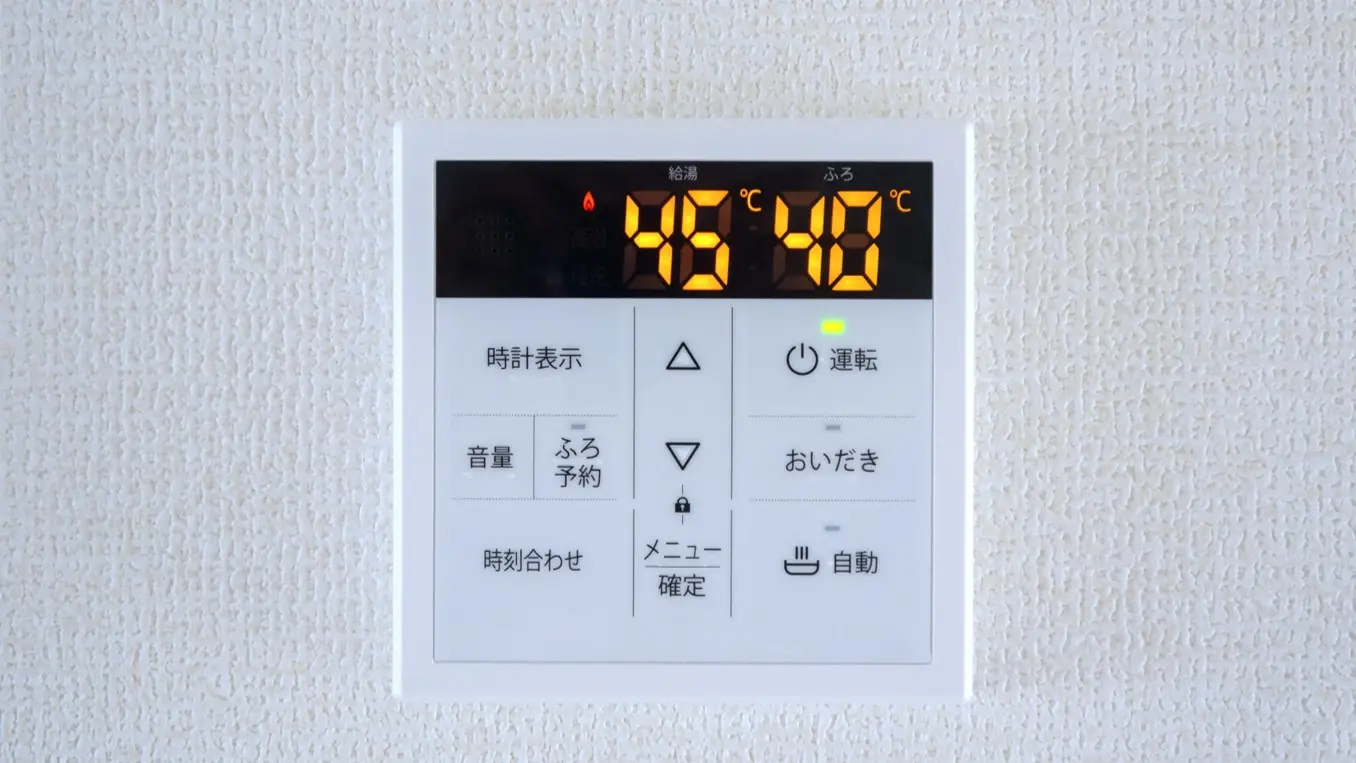
Water heaters and home appliances
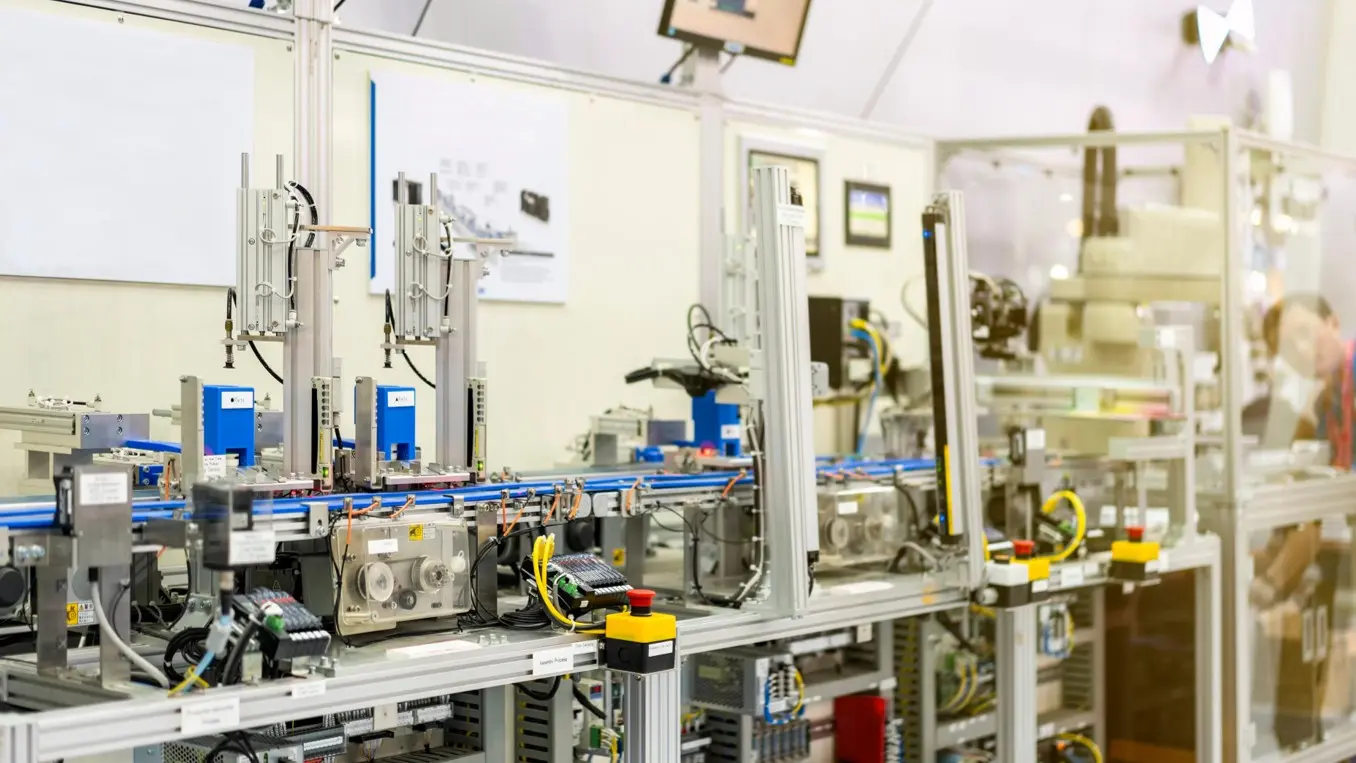
Industrial Equipment

In-Vehicle Displays

In manufacturing our monochrome LCDs, we use alignment control technologies, including the rubbing process. These technologies help reduce display non-uniformity and maintain stable, uniform, and easy-to-read displays, meeting the visibility and reliability requirements of a wide range of devices.